CBD link building is about building a healthy backlink profile for your CBD website while staying compliant with strict industry and platform guidelines.
What actually earns CBD links is topically relevant editorial placements, educational content assets, digital PR, and outreach in adjacent niches. Standard SEO strategies often fall short here because many websites ignore or flag CBD content during outreach.
This industry is expanding fast, which means if you want to stand out, you need a clear strategy. One effective strategy for the CBD (cannabidiol) niche is link building.
Link building strengthens your visibility and brings in consistent, search-driven traffic. Most brands skip this step, so when you do it right, you get an edge.
Key Takeaways
- Backlinks are your most dependable growth channel when paid ads are closed.
- Relevance matters more than domain authority when choosing where to build links.
- Publishers reject product pitches, not CBD content, so lead with education.
- Build links to informational pages and push authority to products through internal links.
- Most brands stop after a few attempts. If you stay consistent, that’s where you start to pull ahead.
What is CBD Link Building
CBD link building means earning high-quality backlinks from trusted sources in the cannabidiol industry. When you do it right, you strengthen your domain authority, improve organic visibility, and grow your rankings in one of the most regulated niches online.
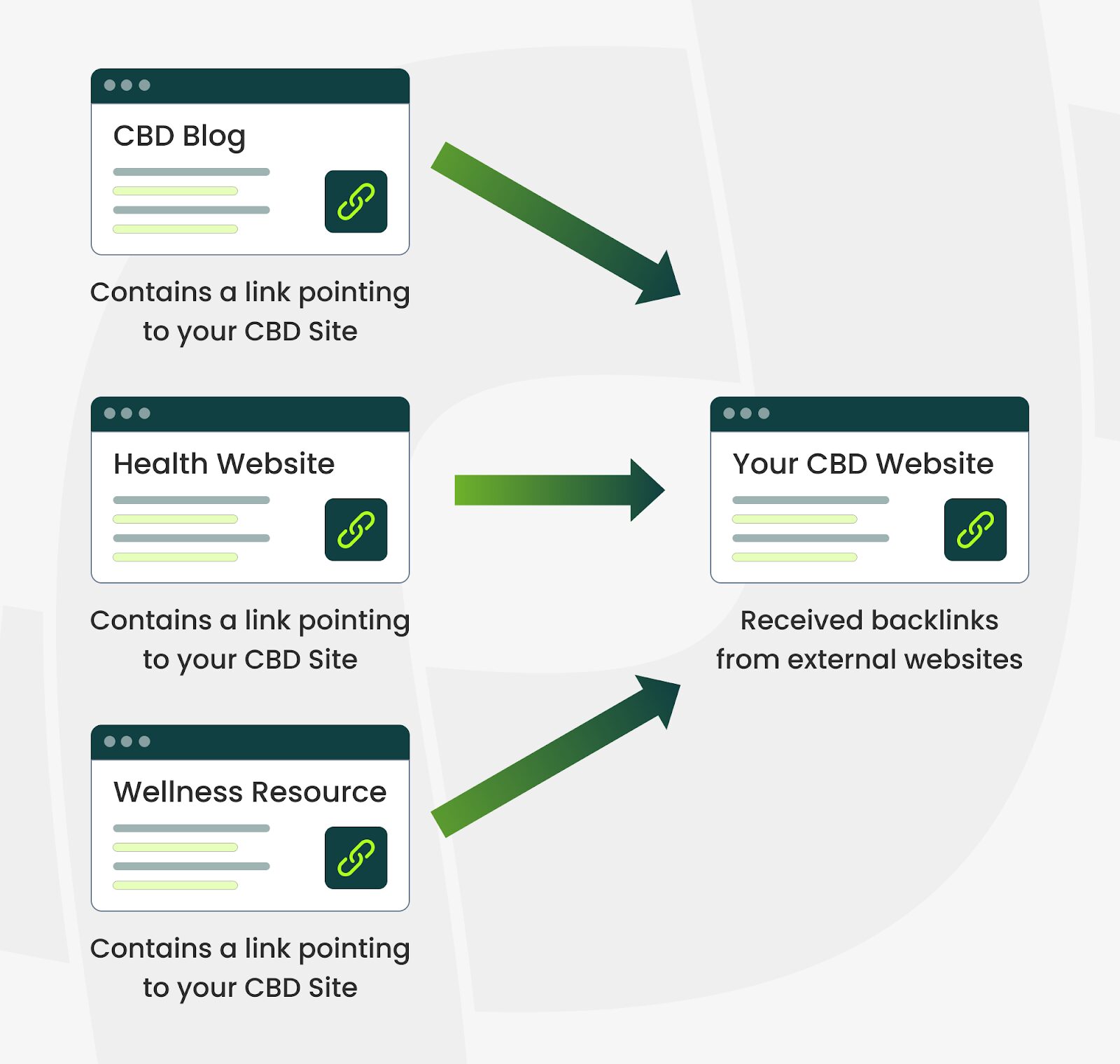
Standard link building is already competitive, and CBD adds another layer. Advertising restrictions, compliance requirements, and editorial gatekeeping mean the standard playbook doesn’t hold up here.
The backlinks that move your rankings need to come from carefully sourced, topically relevant placements, built through real relationships. In this niche, that distinction matters more.
The reality is:
- Google limits CBD ad placements to FDA-approved topics in 3 U.S. markets.
- Meta restricts ingestible CBD advertising.
- TikTok heavily restricts cannabis content entirely.
With paid channels blocked or heavily restricted, organic search is the most dependable growth channel available to you in 2026. A strong backlink profile is what gets you there and keeps you there.
Importance of Link Building for CBD Websites
Link building remains essential for CBD sites despite challenges like stigma and regulations.
Google Ads allows CBD ads only in California, Colorado, and Puerto Rico, and even then, those ads are limited to FDA-approved or topical hemp products with strict certification requirements.
Meta requires LegitScript certification and prior written approval, and still won’t allow ads for CBD oils, gummies, or capsules, which are the biggest product categories.
These restrictions were confirmed by Cannabis Business Times. With paid ads limited, backlinks become important for driving your rankings and organic growth.
A CBD brand with more quality referring domains generally outranks competitors. For this industry, valuable backlinks are the foundation of success for many reasons:
Improved Search Engine Rankings
Search engines like Google use backlinks to check your authority and relevance. When you earn high-quality backlinks from reputable domains, you signal to Google that your CBD website can be trusted and provides real value.
Increased Organic Traffic
Higher rankings mean more people find you organically in search results. That’s qualified traffic of people actively searching for what you sell. No guesswork. Just intent.
Brand Authority and Credibility
Quality backlinks from trusted health, wellness, and cannabis websites build your authority and credibility in the CBD space. That trust leads to long-term growth and stronger industry relationships.
Referral Traffic
Valuable backlinks earned from high-traffic websites send real visitors to your site, which puts you in front of new audiences and potential customers.
Long Term Growth
A strong backlink profile continues to benefit your SEO health in the long term. You keep building momentum, even after paid ads stop delivering.
Why CBD Sites Face a Unique Link Building Problem
CBD link building comes with obstacles you won’t find in most other niches. Knowing what you’re up against helps you build a strategy that actually works.
Google classifies CBD and cannabis content as Your Money or Your Life (YMYL). In other words, Google holds CBD content to a higher standard. Fair or not, that’s the reality.
Google looks more closely at your expertise, your sources, and whether your site can be trusted to provide accurate health-related information. It demands a higher standard of expertise and trustworthiness.
Key challenges you face:
Trust Deficit
Startups face a trust deficit in CBD link building, so learning how startups build backlinks through credible content and relevant placements becomes essential to earn initial authority.
Content Filtering
Some sites filter out CBD content automatically by blocking submissions related to this niche.
Industry Sigma
Some sites are hesitant to link to CBD-related content due to the stigma or concerns about legal implications, despite its growing acceptance. Editors worry about legality, even when CBD is legal in the U.S.
Regulatory Restrictions
Creating link-worthy CBD content is harder because compliance concerns give publishers an easy reason to decline.
Limited Pool of High-authority Sites
You’ll find it harder to source reputable, high-authority websites in the CBD niche than almost anywhere else.
Content Saturation
Content saturation occurs as more CBD-related content becomes available, making it harder to create unique, link-worthy material.
Rapid Industry Changes
With rapid changes in the CBD industry, your backlinks can lose value if your content gets outdated, so focus on building resources that stay relevant.
Payment Processor Restrictions
Payment processors often block CBD deals. That makes sponsored posts rare and even more valuable when you find them.
What’s Changed for Cannabis Link Building in 2026
Three shifts have reshaped how this works since 2024:
1. More Mainstream Publishers Accept CBD-adjacent Content
The blanket bans (total prohibition) that were standard two years ago have loosened.
Several major wellness and lifestyle publications updated their editorial policies in 2025–2026 to allow references to CBD brands with third-party lab testing and FDA-compliant labeling.
Those updated editorial policies open up more publishers, giving you more ways to build authority.
2. Google’s Helpful Content System Rewards Topical Depth
Google’s helpful content updates hit the CBD space harder than most. Keyword-stuffed articles with no original perspective have lost ground steadily.
What earns visibility now is editorial depth backed by quality backlinks. That signals your site is a trusted source, not just another product page.
When your content is genuinely useful, your link building campaigns compound faster and drive stronger growth.
3. AI-Generated Content Has Flooded the CBD Space
Most AI-generated CBD content has flooded the space between 2024 and 2026, and it looks identical, having the same structure, the same claims, and the same lack of original data.
The paradox: that uniformity makes it easier for your site to stand out. If you invest in original research, real expert quotes, and media coverage, you set your brand apart and make it easier to earn valuable backlinks.
You don’t need more content. You need content worth referencing.
What Makes a High-quality CBD Backlink
Not every link is equal in CBD. Relevance almost always beats domain rating, and most brands get this backward. A strong CBD backlink has:
Topical Relevance
The linking site covers relevant topics like health, wellness, cannabis, and lifestyle. A pet nutrition site linking to your CBD pet product page will do more for you than a link from a general news site. Relevance beats raw numbers almost every time.
Editorial Placement
The link sits naturally within the content, not in a footer, sidebar, or a resource list built solely to host outbound links. Google’s own documentation confirms that where a link lives on a page affects its value.
Contextual Alignment
The content surrounding your link supports what your page is actually about. A mention inside a CBD sleep guide pointing to your tincture page is worth more than the same domain rating link dropped into an unrelated wellness roundup.
A Clean Link Profile
The site isn’t part of a paid-post network, a link farm, or a manipulative linking pattern. A single low-quality link in an otherwise strong profile rarely causes problems. A consistent pattern of them does.
Real Audience Traffic
The site drives real organic traffic, not just inflated metrics.
Pro Insight
Context matters more than raw authority. A relevant DR 40 site with relevant content can outperform a generic DR 80 site with irrelevant content.
How to Build CBD Backlinks Without Getting Rejected
Build a structured outreach process that makes life easier for publishers:
1. Target CBD-Friendly Publications
Start your outreach strategy with sites that already publish CBD or cannabis-related content.
How to find them:
- Search for “CBD benefits blog” or “hemp wellness article”
- Use Ahrefs or Semrush to analyze competitor backlinks
- Look for lifestyle, health, and alternative medicine blogs
Action:
Build a list of 50-100 relevant sites before outreach.
2. Create Link-Worthy Content First
Create strong, high-quality content. Weak content leads to failed outreach.
Focus on:
- Education guides(such as “CBD for sleep”)
- Research-backed articles
- Expert-driven insights
- Data or survey content
Content-driven backlinks outperform cold outreach links in long-term ranking stability.
Action:
Publish at least 3-5 strong content assets before starting outreach.
3. Use Compliance-Aware Outreach Messaging
Make sure your content doesn’t put publishers at risk and that your outreach emails demonstrate that you understand compliance concerns.
Avoid this in your email:
- Aggressive anchor text requests
- Sales-heavy language
- Medical claims without an original source link
Instead, present your content in this manner:
- Position your content as informational
- Highlight value for their readers
- Offer editorial collaboration, not just a link
Example approach:
“Your audience already reads about wellness topics. This content piece adds a research-backed view on CBD usage patterns.”
4. Focus on Contextual Placements
Contextual links carry the most weight when they’re placed inside relevant articles.
Better placements:
- Guest posts
- Expert quotes
- Resource mentions
Weaker mentions:
- Directories
- Sidebar links
- Bulk submissions
Tip
One strong contextual link often outperforms 10 low-quality placements.
Effective Link Building Strategies That Actually Work for CBD Brands
Building high-quality backlinks in the CBD space demands a different approach. The tactics that actually drive growth are:
Guest Posting on Health and Wellness Publications
Guest posting in CBD link building involves creating useful content for relevant, CBD-friendly sites, where your link fits naturally within the content and adds value to their audience.
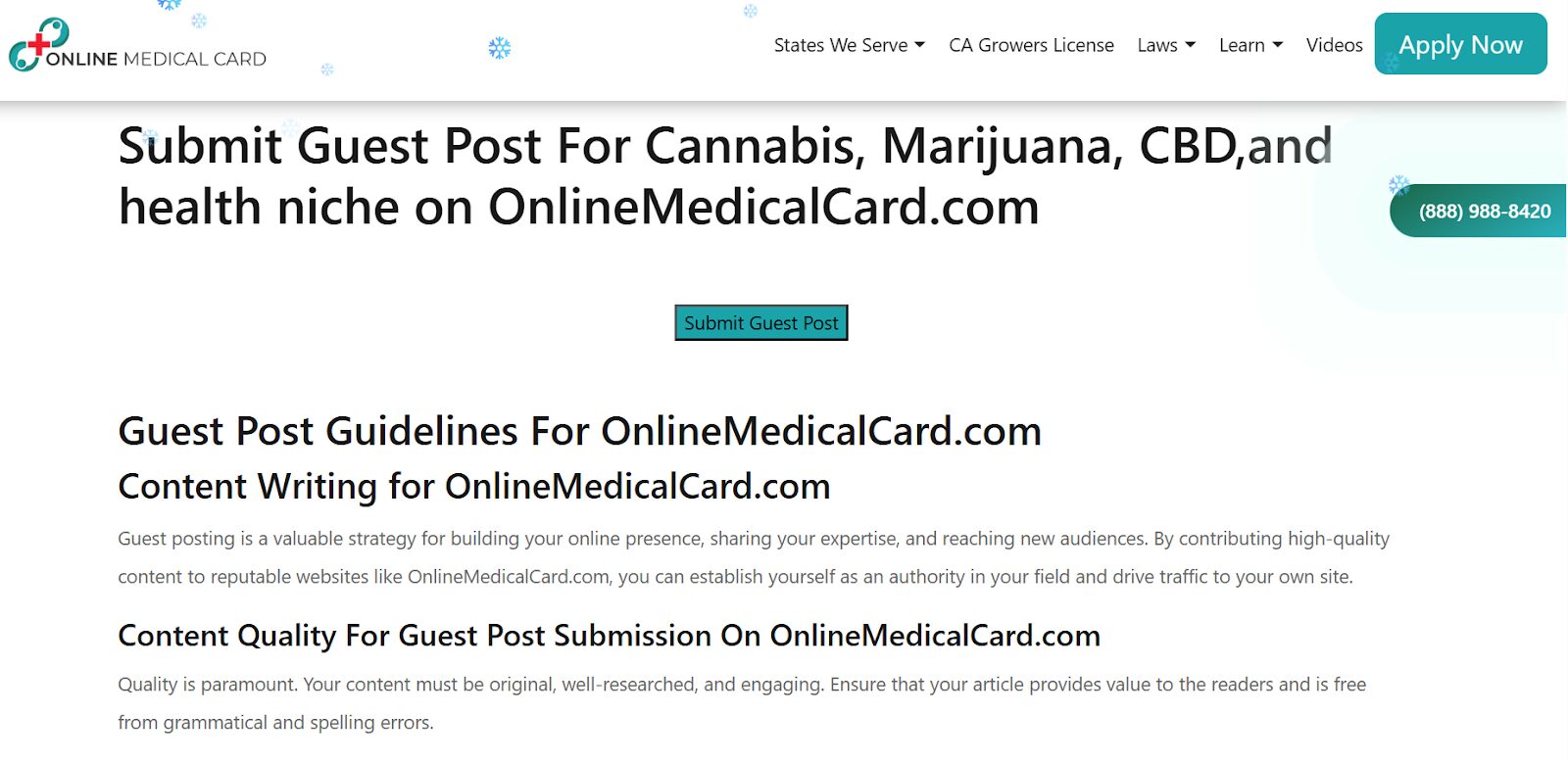
Health and wellness publishers are the most natural fit for CBD content. Many publishers now accept contributed articles and expert commentary on sleep, stress management, and recovery, making CBD a natural fit for the conversation.
What works:
- Educational pitches about cannabinoid science, not product promotions
- Original survey data or summaries of clinical research
- Your founder or chief scientist positioned as a quoted expert, not a brand spokesperson
What gets rejected: product press releases dressed as editorial content, and pitches that lead with a commercial page instead of a useful one.
Digital PR
In Digital PR, you’re pitching newsworthy stories, data, or expert insights directly to journalists and editors to earn media coverage and backlinks from online publications.
Cannabis is a legitimate news beat in 2026. Reporters at MJBizDaily, Cannabis Wire, and business desks at general publications regularly cover regulatory shifts, market trends, and consumer behavior.
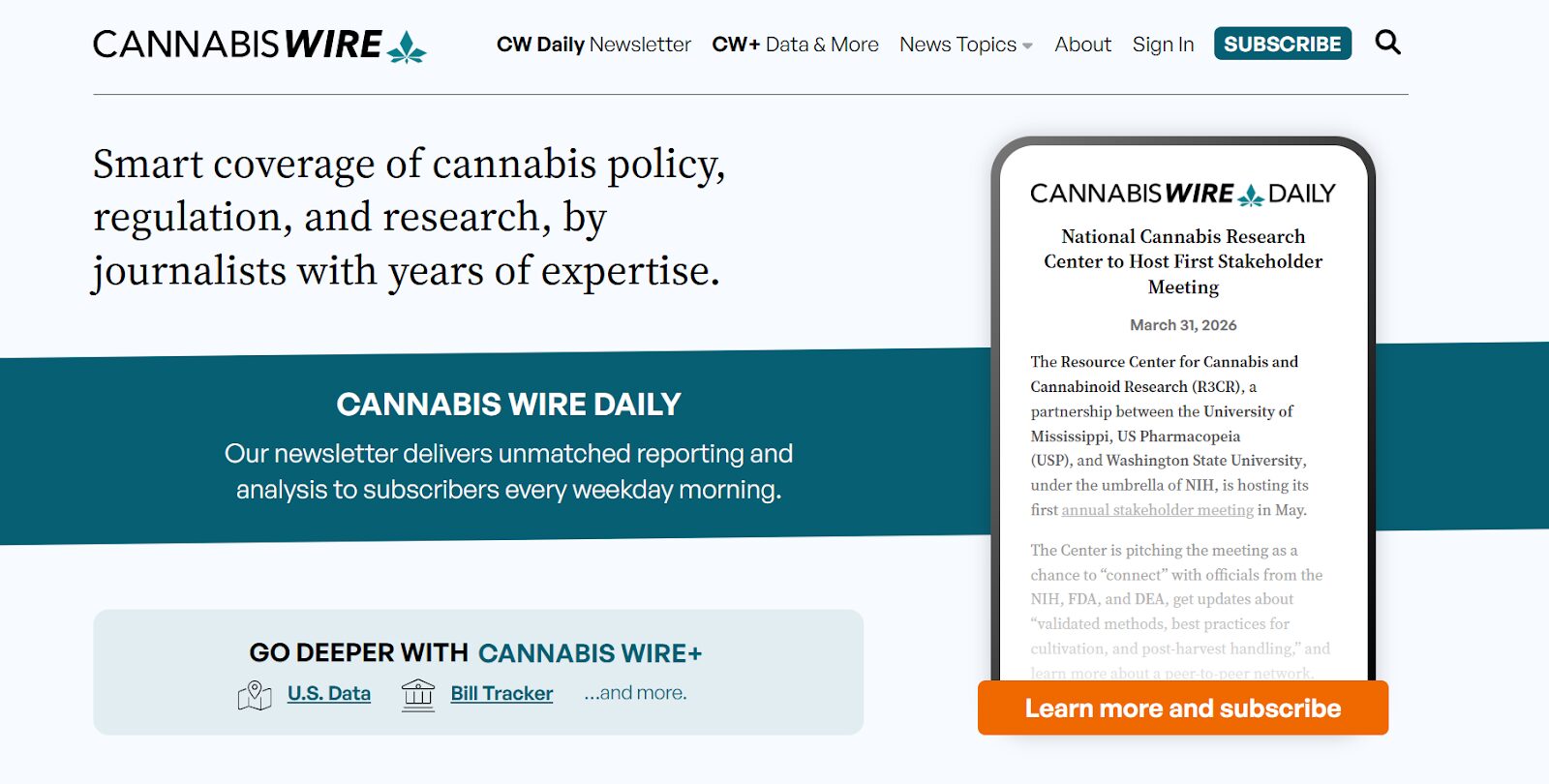
That gives you real opportunities to earn coverage if you bring them something worth writing about.
What works:
- Data-driven press releases tied to industry trends you actually track
- Responding to journalist queries through HARO and similar platforms
- Offering exclusive survey data or findings to reporters covering cannabis regulation
Lead With Education, Not Products
Here’s the non-negotiable rule: pitch informational content, not product pages.
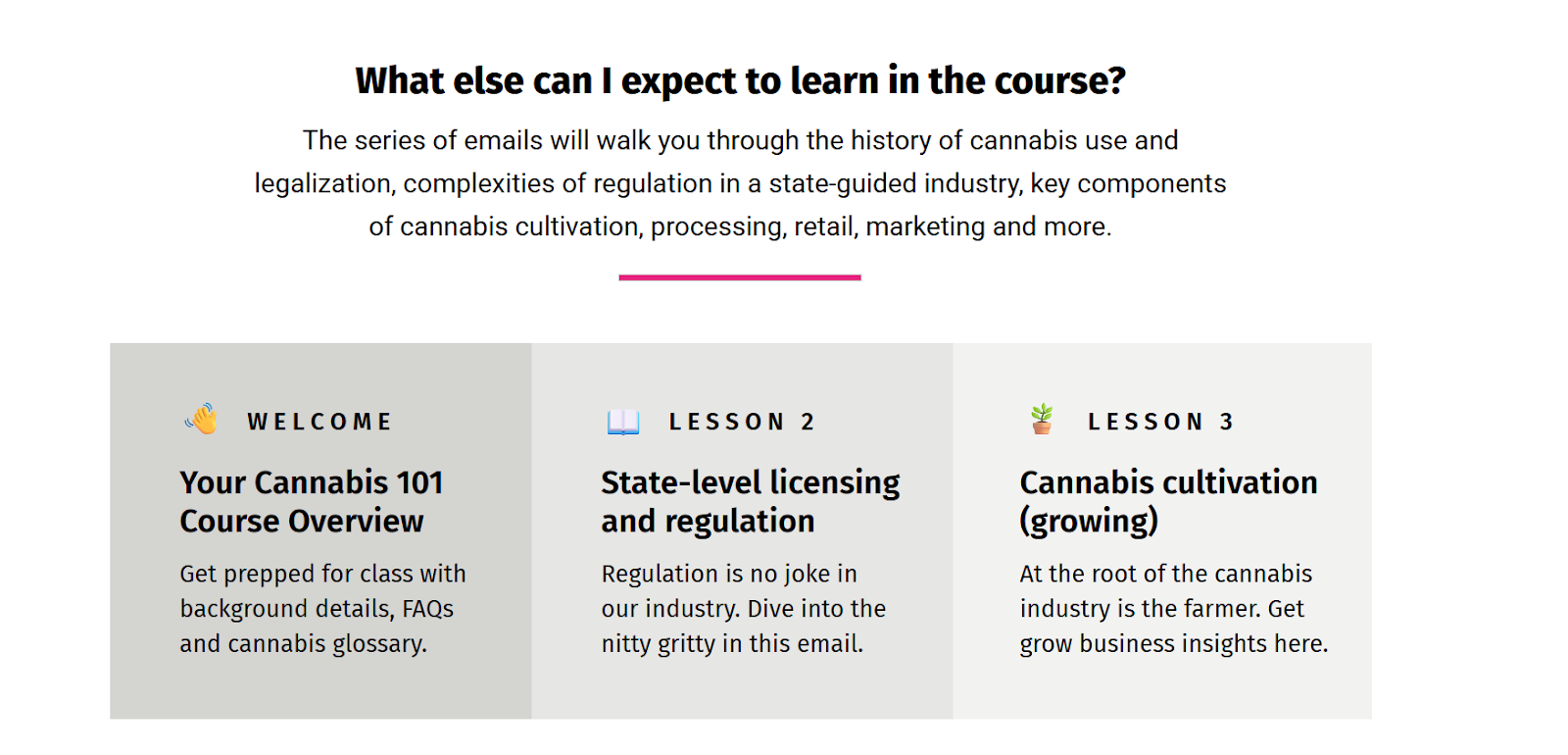
Publishers that reject CBD oil pitches will often accept genuinely educational content. A guide on how third-party lab testing works, an analysis of cannabinoid extraction methods and a breakdown of CBD dosage research. Build those assets on your site first and then pitch them.
The difference between a pitch that works and one that doesn’t usually comes down to this:
What Works:
“We published a data-backed guide on how third-party CBD lab testing works. It might be useful for your wellness audience.”
One CBD wellness brand tried exactly this. They published a detailed guide on reading CBD certificates of analysis, pitched it to a handful of sleep and recovery blogs, and earned four editorial placements in six weeks.
None of those publishers would have accepted a link to their product page.
Doesn’t work:
“We sell premium CBD oil and would love a backlink from your site.”
One offers value. The other asks for a favor. When a link points to your informational page, your internal links push that authority to your product and category pages. That’s how educational backlinks help you win commercial rankings.
Target Adjacent Niches
Don’t limit prospecting to cannabis-only sites. Some of the strongest CBD link acquistion opportunities sit in adjacent verticals your competitors probably aren’t working:
- Wellness and self-care blogs
CBD fits naturally into sleep, stress, and recovery content
- Fitness and sports recovery publishers
Topical CBD for athletic recovery is well-documented and less editorially sensitive than ingestibles
- Pet health sites
Pet CBD has grown into a significant market segment, and pet publishers tend to be more open to the topic than human health editors
- Legal and regulatory outlets
CBD regulation changes are genuinely newsworthy; legal publications link to well-sourced analysis
- University research and science pages
Cannabinoid studies attract academic backlinks that carry strong authority signals
Each of these opens up publisher pools your competitors probably aren’t targeting. That’s where your best opportunities lie.
Create Assets That Earn Backlinks Passively
Most CBD sites publish the same recycled content: “What is CBD,” “CBD benefits,” “how to choose CBD oil.” None of it earns backlinks because hundreds of identical articles already exist.
What actually earns authoritative backlinks is original data and practical tools that other writers need to cite.
Run a consumer survey on CBD buying habits. Publish annual pricing trend data. Build an interactive map of CBD legality by state. Create a dosage calculator that draws from published research.
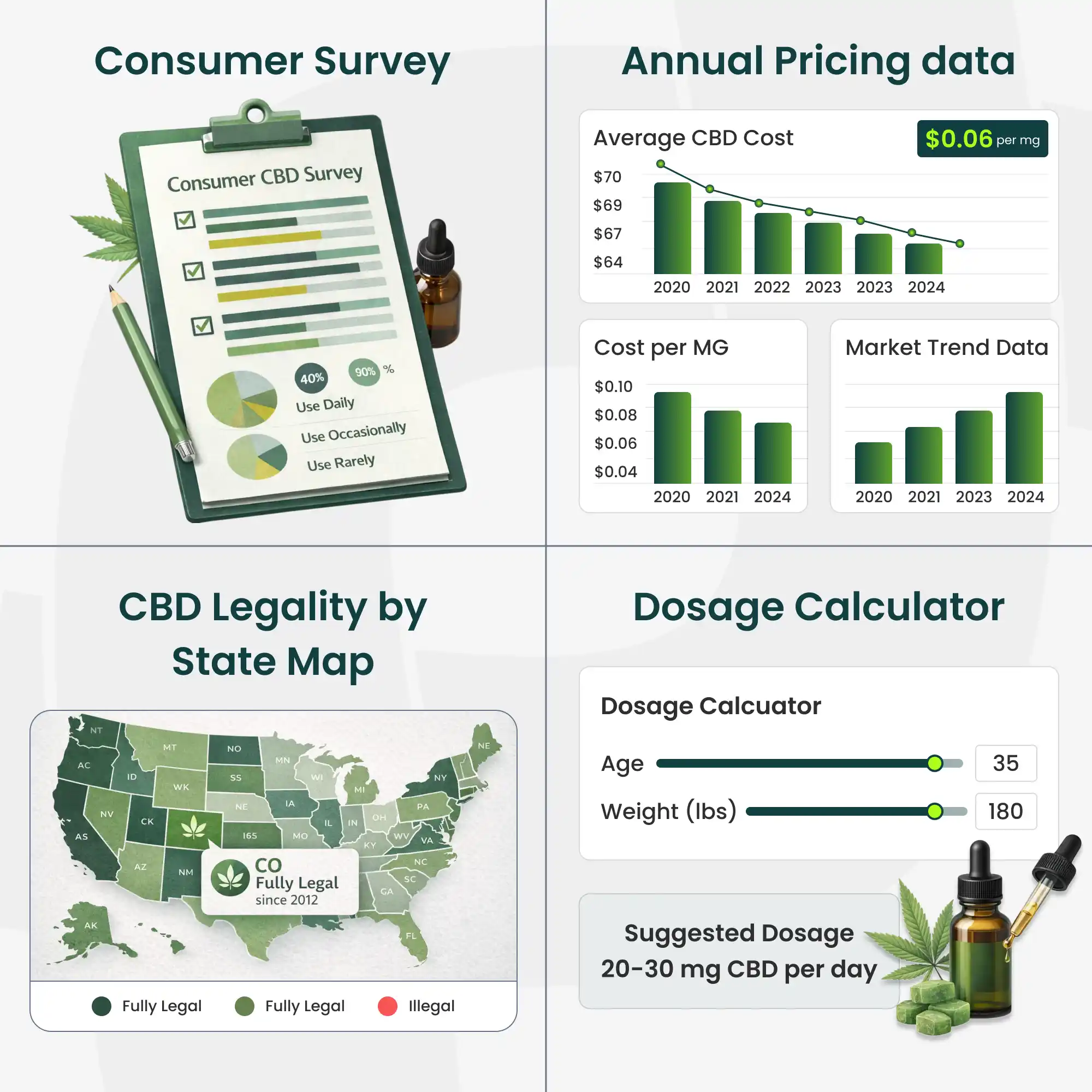
A journalist covering CBD market growth doesn’t need another blog post, they need a primary source to reference. If your site is the source, the backlinks follow.
Industry and Trade Associations
State cannabis trade associations, hemp farming organizations, and industry coalitions often maintain member directories and resource pages.
These backlinks are niche-relevant, carry real authority within the space, and are straightforward to earn through membership or active contribution.
University and Research Institutions
Academic backlinks are tough to get. But if you can earn them, they’re hard to beat.
University Research departments studying cannabinoids sometimes cite commercial data or studies. If your brand is actively involved in clinical research, those citation links carry more weight.
Podcasts and Video Show Notes
Appearing as a guest on a cannabis-focused podcast earns you a contextual link from the show notes, typically on a domain with solid authority. These links also drive qualified referral traffic, which is a genuine bonus beyond the SEO value.
Tactics That Will Hurt You
Some tactics that work in other niches will actively hurt you in CBD. Tactics like:
Most Cannabis-specific Directories
Dozens exist primarily to sell listings. Most have no editorial standards, thin content, and high outbound link counts per page.
The exception: a small number of curated directories that verify lab results, require business licensing, and maintain real editorial standards. Evaluate each one on its own merits, don’t assume the category is worthless or safe.
Paid Guest Post Networks
Paid CBD guest post networks are the fastest way to burn your link profile, so avoid them entirely. If a site’s primary revenue model is selling guest post placements and its content is almost entirely contributed by CBD articles, treat it as a link scheme.
Google’s link spam policies explicitly flag this pattern. The short-term rankings aren’t worth the risk.
Reciprocal Link Swaps at Scale
The occasional natural link exchange isn’t a problem. Systematic trading across dozens of cannabis sites creates a visible footprint. Keep it organic and rare.
Exact-match Anchor Text, Repeated
Repeatedly using anchors like “best CBD oil” or “buy CBD gummies” draws algorithmic scrutiny faster in YMYL niches. Vary your anchors. Brand mentions and plain URLs should make up most of your profile.
In-house Vs. Outsourced CBD Link Building
Handling CBD link building in-house gives you control, but it only works if you have the right resources behind it; outsourcing offers speed and established relationships.
In-house works well when:
- You have a dedicated content marketer with media relations experience.
- Your brand already has original research or recognized experts.
- Your monthly link target is modest, somewhere in the range of 3-8 quality backlinks.
Outsourcing works well when:
- You need to scale beyond what one person can manage.
- You don’t have established publisher relationships in wellness or cannabis.
- Your team’s time is better spent on product and operations.
One thing to verify before outsourcing is that the agency understands CBD compliance specifically.
A general link building agency that treats this niche like any other will pitch restricted publishers, use aggressive anchors, and potentially earn backlinks from sites that damage your profile rather than build it.
Measuring What Matters
Here’s what actually tells you your CBD link building is working or not and how often you should check these metrics:
| Metric | What It Tells You | How Often to Check |
|---|---|---|
| New referring domains | Unique sites linking to you | Monthly |
| Domain authority/rating | Overall site strength | Quarterly |
| Organic keyword rankings | Whether links translate to visibility | Monthly |
| Organic traffic to target pages | Actual business impact | Monthly |
| Referring domain relevance | Quality of your link profile | Quarterly |
Conclusion
CBD link building is more challenging than in most niches. Ad restrictions, publisher hesitation, and compliance complexity add friction at almost every step.
That friction is also what makes it worth doing. Most brands give up early. The ones that stay consistent with the right content, the right targets, and outreach that actually respects publishers build organic authority that no paid channel can replicate.
Not sure which CBD link opportunities are worth your time?
Get clarity on where to focus so you build links that move rankings.
Is CBD link building legal?
Yes, CBD link building is legal as long as your content follows federal and state rules for hemp‑derived CBD.
As per hemp and CBD regulations, Hemp must have 0.3% total THC or less, and finished products are limited to 0.4 mg of total THC per container.
But the real challenge you will face is the publisher’s willingness, not legality. Many sites decline CBD content due to editorial or liability concerns, even when it’s compliant.
How long before CBD link building shows results?
You’ll usually see results in 3-6 months. Backlinks need to be crawled, indexed, and factored into Google’s authority calculations. CBD is competitive, so growth takes longer than in less crowded industries. If anyone promises page-one rankings in 30 days, that’s a red flag.
Should you build links to CBD product pages?
It depends on the type of page and the publisher you’re targeting. Most high-authority publishers won’t link to commercial pages.
Earn backlinks from informational sites such as guides, original research, tools and use internal linking to push authority toward your product and category pages.
This approach is more effective and sustainable. For example: a wellness blog won’t link to your CBD gummies page, but they might link to your guide on “How to read a CBD certificate of analysis.” That guide then links internally to your products.
What types of sites should CBD brands target for links?
Target health and wellness publishers, fitness and recovery blogs, pet health sites, legal analysis publications, university research pages, and CBD industry news outlets.
Focus on relevance. A link from a topically related site with moderate authority (DR 40-60) is usually more valuable than a link from a high-authority site with no CBD-related connection.
How many links does a CBD brand need?
There’s no universal number. It depends on your keywords, competition, and current authority.
As a benchmark, ranking on page one for a moderately competitive CBD keyword in the US usually needs 30-50+ quality domains pointing to your supporting content.
Focus on building links consistently each month instead of chasing a fixed target.